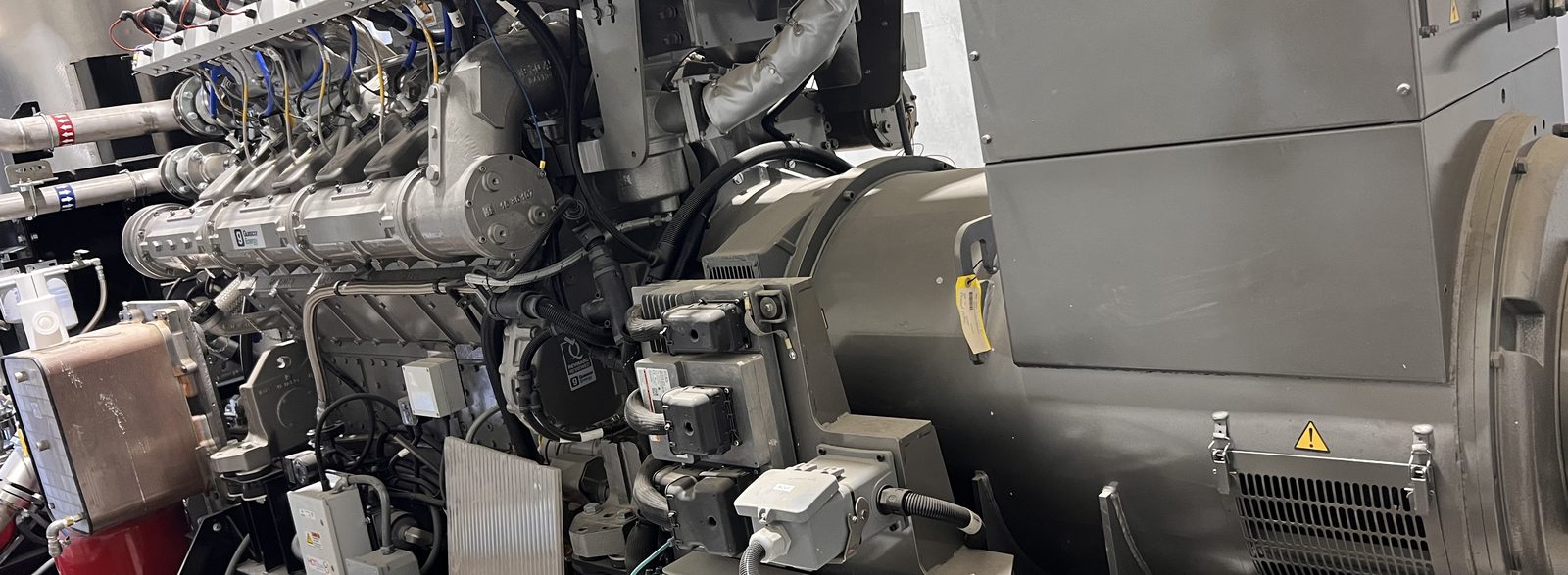
How often should a standby generator be load bank tested in Alberta?
A standby generator can sit quietly for months, start every week on its exercise timer, and still let you down the day the power actually goes out. Starting up isn't the same as carrying a load. That's what load bank testing is for.
Here's a plain-language look at how often generators should be load tested, what the CSA C282 standard expects for emergency generators in buildings, and how home standby units are different. We're Lock Hill Energy Services, a generator and electrical contractor based in Nisku, Leduc County, and we do this work every week across Leduc, Nisku, Beaumont and Edmonton.
Why load test a generator at all?
A load bank is test equipment that puts a controlled electrical load on your generator. It lets you see how the set performs under real work, without depending on whatever the building happens to be drawing that day.
That matters for two reasons:
- It proves the generator can carry its load. A unit that starts and idles fine can still struggle once it's working hard. A load test shows that before an outage does.
- It helps with wet stacking on diesel units. When a diesel generator only runs at light load, it may not get hot enough to burn its fuel completely. Unburned fuel and carbon can build up in the exhaust system. This is called wet stacking, and one common sign is continuous black smoke while the engine runs. Running the engine under a proper load is a common way to deal with it.
CSA C282 basics for emergency generators in buildings
In Canada, CSA C282, Emergency electrical power supply for buildings, covers the design, installation, operation, maintenance and testing of emergency generators that a building is required to have under the building code. Think of generators that power emergency lighting, exit signs, fire pumps and other life safety systems.
In Alberta, the fire code points building owners to CSA C282 for maintaining those generators. The City of Calgary's guide for building owners, for example, says the National Fire Code (Alberta Edition) requires emergency generators to be maintained to CSA C282, and lays out the schedule:
- Weekly inspections
- Monthly inspections and tests
- Every 6 months
- Annually
- Every 5 years
Each interval has its own table of checks in the standard. CSA notes that the current edition (CSA C282:24) sets the minimum load for the monthly test at 30%, so simply starting the set with nothing connected isn't the monthly test the standard describes. The annual service is the bigger visit, with its own load testing and fuel requirements.
The exact checks depend on which edition of C282 applies to your building, so it's worth having a qualified technician confirm what your site needs. Records matter too: building owners are expected to keep test and maintenance records on site.
You may also hear about NFPA 110, the American standard. It requires diesel emergency generators to be exercised monthly at 30% of nameplate or at the manufacturer's recommended exhaust temperature, and adds an annual supplemental load bank test when the monthly runs don't get there. It's useful background, but for Canadian buildings, CSA C282 and your local fire code are the place to start.
How often? Emergency and standby vs. home generators
Emergency generators in commercial, institutional and industrial buildings. If your generator is a required emergency power supply, follow the CSA C282 schedule: weekly checks, a monthly test under load, semi-annual service and an annual service with load testing. An annual load bank test is a common part of that annual visit, especially when the building's own load is too light to work the generator properly during monthly tests.
Standby generators that aren't code-required. Many shops, farms, data rooms and other sites run generators for business continuity rather than life safety. C282 may not formally apply, but the same logic does. If the set mostly exercises at light load, an annual load bank test is a sensible way to confirm it can carry what it was installed for. Follow the manufacturer's maintenance schedule as well.
Home standby generators. Most home units run on natural gas or propane, not diesel, and wet stacking is mainly a diesel concern. They usually self-exercise on a timer. Generac's owner's manuals, for example, let the exercise run weekly, every two weeks or monthly, with scheduled maintenance at set hours or years. For most homeowners, following the manufacturer's maintenance schedule and having a technician check the unit regularly matters more than a load bank test. A load test can still make sense after a major repair, or if you're not sure the unit can carry your house.
After commissioning or major repairs. Whatever the type, a load test is a good idea when a generator is first installed and after major work, to prove it under load before you count on it.
Signs your generator needs a load bank test
- It hasn't been tested under real load in the last year.
- The monthly runs barely load it, because the building draws far less than the generator's rating.
- You see black smoke, or oily, sooty residue around the exhaust.
- It recently had major repairs.
- The building's loads have changed since it was installed.
- You're not sure it would carry your critical equipment in a long outage.
What a Lock Hill load bank test includes
We load bank test standby and prime generators up to 5 MW. Most of our tests fall into three groups:
- Annual tests as part of ongoing maintenance
- Commissioning tests on new installations
- Post-repair verification after major work
We run the set under load, record the results and give you the report. Our crews include journeyman and master electricians and heavy equipment technicians. We work on Kohler, Generac, Cummins, Caterpillar, MTU, Hyundai and other brands, and we're certified by Kohler, Generac and Cummins. Lock Hill is a licensed Alberta electrical contractor.
Load testing usually goes hand in hand with scheduled maintenance. Our generator PM covers fluids and filters, batteries, the cooling and fuel systems, controls and transfer switch testing. See our generator maintenance and load bank testing page for the full picture, or our standby generators page if you're looking at a new unit.
What's in the report
You get a written report after the test, and our PM and load bank reports follow CSA C282. That gives you a record of how the generator performed under load, and it's the kind of paperwork building owners are expected to keep on site with their maintenance records.
Frequently asked questions
How often should a commercial standby generator be load bank tested?
For emergency generators in buildings, CSA C282 sets a schedule of weekly, monthly, semi-annual, annual and five-year checks, with monthly tests under load. An annual load bank test is common, especially when the building's own load is too light to work the generator properly.
Does my home generator need a load bank test?
Usually not every year. Most home standby units run on natural gas or propane and exercise themselves on a timer. Follow the manufacturer's maintenance schedule. A load test can be worthwhile after a major repair or if you're unsure the unit can carry your home.
What is wet stacking?
It's a buildup of unburned fuel and carbon in a diesel generator's exhaust, caused by running at light load for too long. Running the engine under a proper load, such as during a load bank test, is a common way to deal with it.
How large a generator can Lock Hill load bank test?
We test standby and prime generators up to 5 MW, from home standby units to industrial sets.
What if my generator fails during an outage?
Call 780-387-6119 any time. Our field service runs 24/7, and we'll call you back within 1 hour.
Book a load bank test
Not sure when your generator was last tested under load? Call 780-387-6119 or email info@lockhillenergyservices.ca, or use our contact page. Tell us the make, size and location, and we'll set up a load bank test or PM visit. We're based in Nisku and serve Leduc, Nisku, Beaumont and Edmonton.